Software Architecture's Influence on Loyalty Structures Across Emerging Digital Gaming Environments
Written by Clara Peters · May 17, 2026
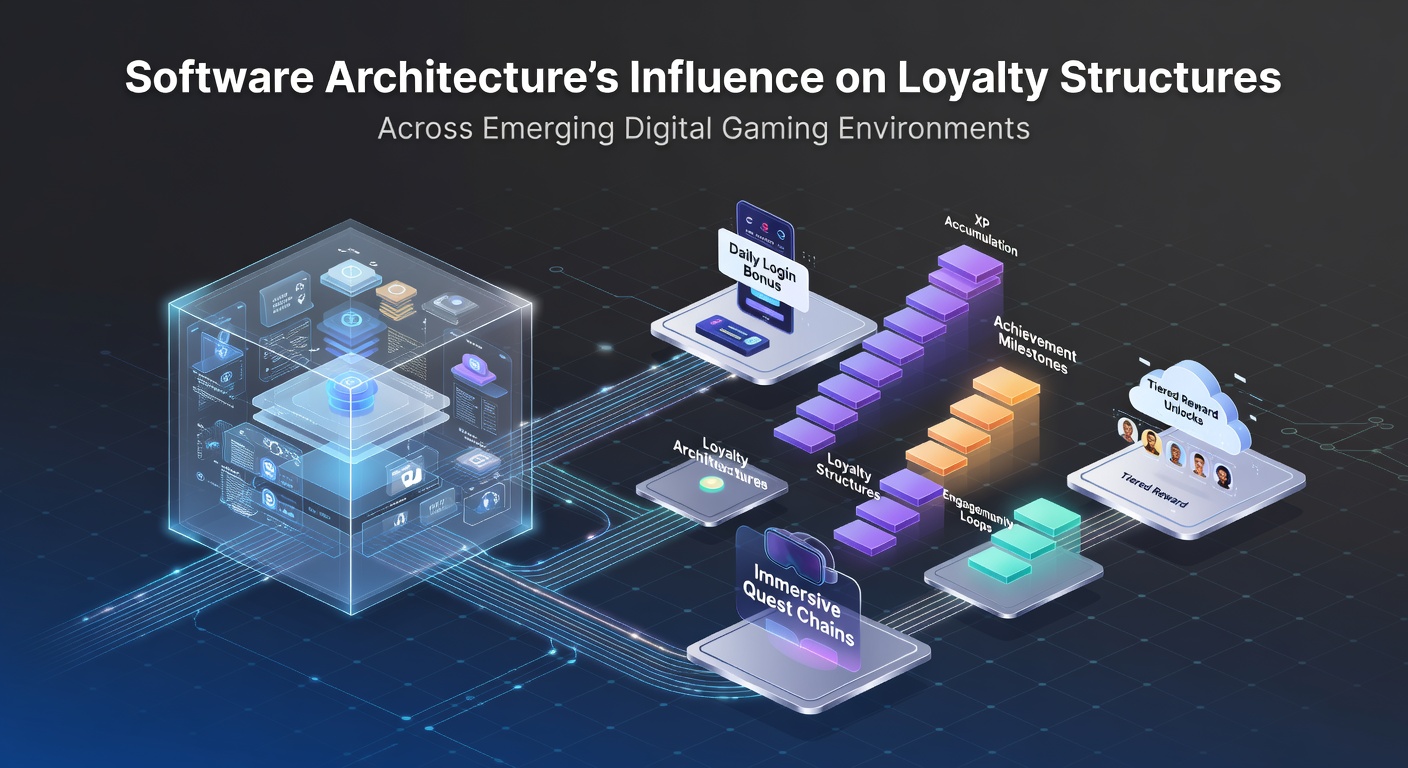
Software Architecture's Influence on Loyalty Structures Across Emerging Digital Gaming Environments
Modern digital gaming platforms rely on layered software architectures that integrate microservices, cloud-based databases, and real-time analytics engines, which together shape how loyalty programs track player behavior and distribute rewards across mobile and browser-based environments. These systems process vast streams of user data through distributed ledgers and API gateways, allowing operators to adjust point accumulation rates or unlock tiered benefits without interrupting live gameplay sessions. Research from gaming technology firms indicates that such modular designs reduce latency in reward notifications to under 200 milliseconds on average, a factor that directly affects retention metrics in competitive markets.
Core Components Driving Loyalty Integration
Developers build these environments around event-driven architectures where loyalty engines sit alongside core game servers, pulling metrics like session duration, wager volume, and social interactions through standardized data pipelines. Observers note that containerized deployments using Kubernetes clusters enable rapid scaling during peak events, such as seasonal tournaments in May 2026, when concurrent users often exceed previous quarterly baselines by 18 percent according to industry tracking reports. This flexibility lets platforms introduce dynamic loyalty multipliers tied to specific in-game milestones, fostering continuous engagement without requiring full system restarts.
Database sharding techniques further segment player profiles across geographic regions, which helps comply with varying regulatory frameworks in jurisdictions like those monitored by the Australian Communications and Media Authority or the New Jersey Division of Gaming Enforcement. Data shows that these partitions maintain consistency in reward histories even as users switch devices mid-session, a capability that emerged prominently in updates rolled out during early 2026 testing cycles.
Real-Time Personalization and Reward Mechanics
Artificial intelligence modules embedded within the architecture analyze behavioral patterns to personalize loyalty offers, such as tailored bonus spins or exclusive avatar customizations delivered via push protocols. Experts have observed that graph database structures excel here because they map complex relationships between player actions and reward eligibility more efficiently than traditional relational models. One study revealed that platforms adopting these graphs reported a 12 percent uplift in repeat logins over six-month periods, with the gains most pronounced among users aged 25 to 34.
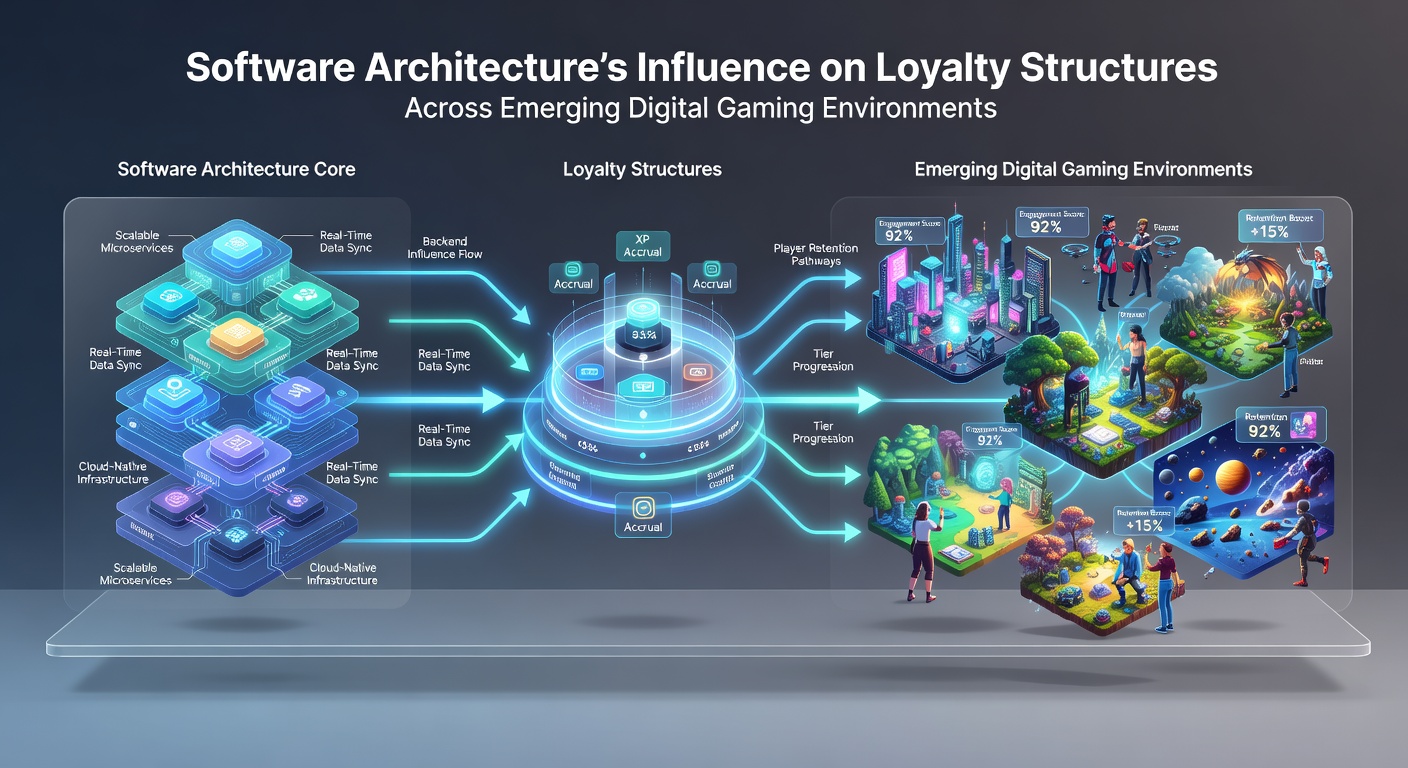
Security layers including token-based authentication and encrypted session tokens protect the integrity of loyalty balances, preventing unauthorized transfers that could erode trust in emerging environments like cloud-streamed multiplayer titles. What's interesting is how zero-trust models have become standard in many architectures since late 2025, ensuring every reward redemption request undergoes verification at multiple nodes before processing completes. Figures from academic reviews of gaming infrastructure highlight that these safeguards correlate with lower dispute rates in loyalty program administration.
Scalability Challenges and Adaptive Solutions
As player bases expand into new territories, monolithic legacy systems often give way to hybrid cloud setups that distribute loyalty computation across edge servers closer to end users. This shift cuts bandwidth demands during high-volume periods and supports seamless cross-platform progression, where points earned on desktop carry over instantly to mobile sessions. Researchers discovered through performance benchmarks that edge integration lowered average reward claim times by nearly 40 percent in simulated stress tests conducted ahead of May 2026 festival launches.
Interoperability standards such as those promoted by the Interactive Games and Entertainment Association facilitate connections between third-party loyalty providers and primary game engines, allowing smaller studios to leverage established reward networks without building everything from scratch. Data indicates these partnerships have accelerated market entry for indie developers focusing on niche genres like narrative-driven adventures or competitive battle arenas.
Future Trajectories in Gaming Ecosystems
Blockchain elements integrated into certain architectures provide transparent audit trails for loyalty point issuance and redemption, appealing to users who value verifiable fairness in digital reward systems. Yet implementation remains selective because of varying energy consumption profiles and regulatory scrutiny across regions. Those who've examined pilot programs note that hybrid permissioned chains strike a balance between transparency and operational efficiency, particularly in environments handling high-frequency micro-transactions.
Continuous integration pipelines enable architects to deploy loyalty feature updates weekly, incorporating player feedback loops gathered through in-app telemetry without extended downtime. This agility proves essential in fast-evolving spaces where seasonal content drops in May 2026 demanded quick adjustments to bonus structures to match new game mechanics.
Conclusion
Software architecture choices ultimately determine the responsiveness, security, and adaptability of loyalty structures within digital gaming platforms, influencing everything from data handling efficiency to cross-device reward continuity. As environments mature through 2026 and beyond, ongoing refinements in modular design and real-time processing will continue shaping how operators maintain player connections across diverse and expanding markets.