How Data Stream Processing Transforms Benefit Allocation in Emerging Smartphone Casino Applications
Written by Iris Hoffmann · Aug 4, 2026
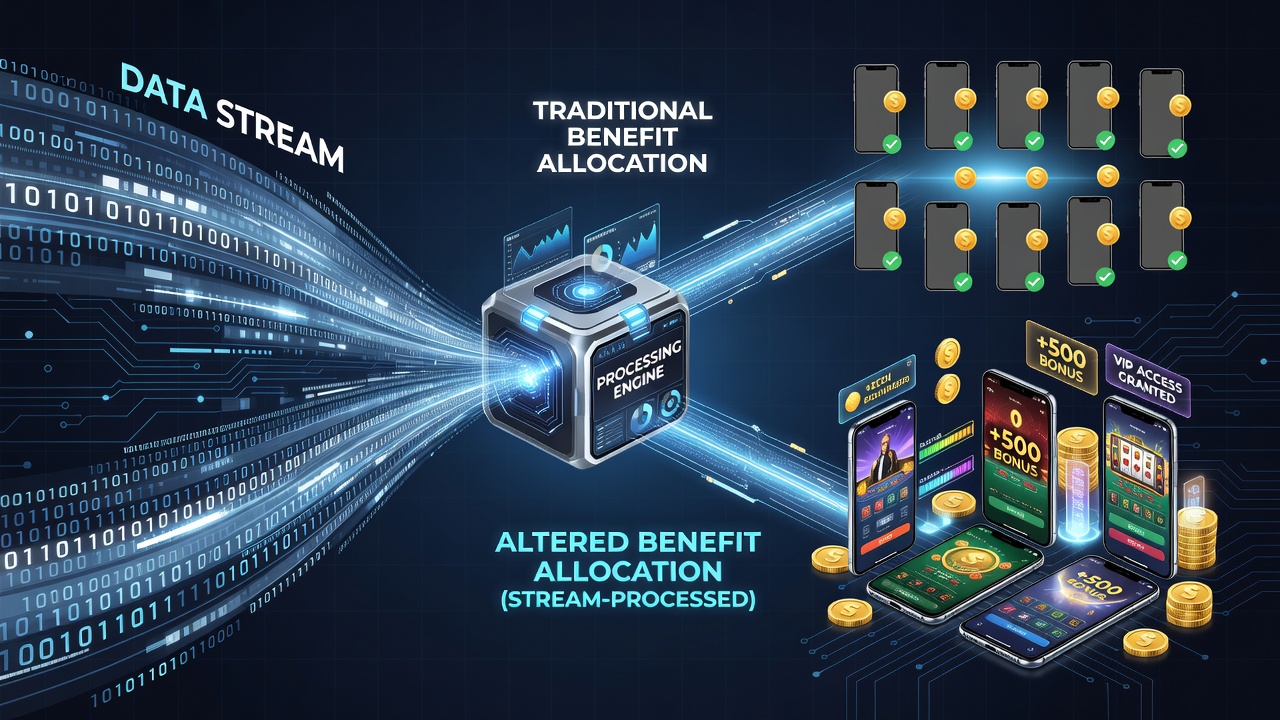
How Data Stream Processing Transforms Benefit Allocation in Emerging Smartphone Casino Applications
Smartphone casino applications now rely on continuous data flows from player sessions, bet patterns, and device interactions, and data stream processing frameworks handle these inputs in real time to adjust reward structures without batch delays. Systems such as Apache Flink and Kafka Streams ingest live event data from mobile clients, then apply windowed aggregations and pattern detection to recalculate benefit eligibility on the fly. Operators deploy these pipelines to shift from static loyalty tiers toward instantaneous allocation models that respond to individual session velocity and cross-game engagement metrics.
Core Mechanisms of Stream Processing in Mobile Gaming
Continuous queries run against incoming telemetry that includes wager amounts, session duration, and location signals, while state stores maintain rolling windows of recent activity for each user account. When a player completes a sequence of high-frequency bets, the processing layer triggers conditional logic that issues bonus credits or tier upgrades within seconds rather than at the end of a calendar day. This architecture replaces nightly ETL jobs with event-driven microservices that publish updated benefit ledgers back to the mobile client through push notifications and in-app wallet updates.
August 2026 saw several platform operators integrate enhanced windowing functions that incorporate geo-fenced data streams, allowing benefit multipliers to vary by jurisdiction-specific regulatory parameters. The same pipelines also filter out anomalous patterns that might indicate coordinated play, thereby protecting allocation rules from exploitation while preserving legitimate user rewards.
Impact on Real-Time Benefit Distribution
Traditional systems calculated monthly or weekly reward points based on aggregated totals, yet stream processing enables point accrual that updates after every qualifying action and immediately converts into redeemable credits or status boosts. Data shows that applications using these methods record higher retention rates during short play bursts because users see their progress reflected without waiting for system reconciliation cycles. Researchers at institutions studying digital gaming ecosystems have documented how sliding-window algorithms prioritize recent activity over historical averages, which alters the distribution of VIP access passes and deposit-match bonuses toward more active segments of the player base.
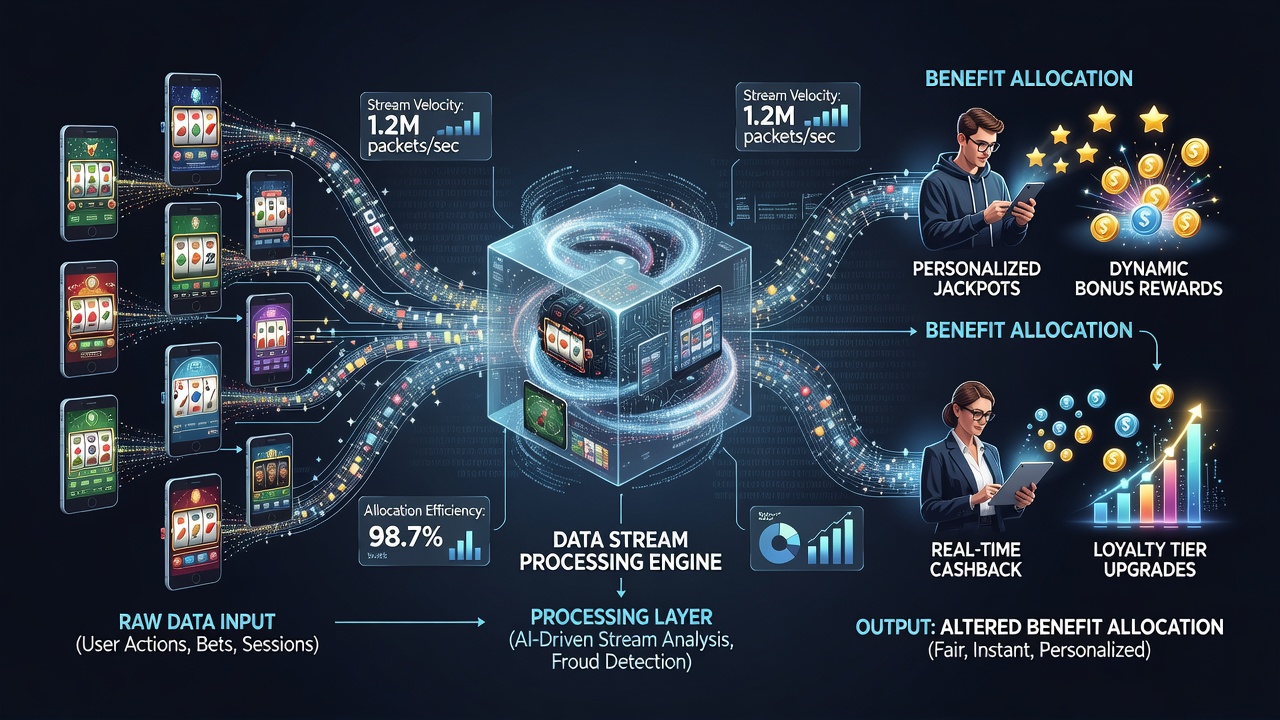
Operators connect these stream outputs directly to payment rails and loyalty databases so that a verified win streak can unlock an instant free-spin package before the next spin cycle begins. The approach also supports dynamic pricing of in-app purchase bundles, where the offered value scales according to live churn-prediction scores derived from the same data flows. Industry reports from the European Gaming and Betting Association note that such integrations have expanded the frequency of micro-rewards while maintaining overall prize-pool budgets through tighter variance controls.
Technical Integration with Mobile Application Frameworks
Developers embed lightweight stream agents inside native and hybrid casino apps that forward structured events over secure WebSocket channels to backend clusters. These agents tag each payload with user identifiers, game identifiers, and timestamp sequences that allow exactly-once processing semantics to prevent duplicate benefit grants. When latency spikes occur on mobile networks, the processing layer applies back-pressure mechanisms that queue events without dropping critical allocation triggers. Observers note that this resilience keeps reward delivery consistent even during peak evening hours when concurrent sessions multiply.
One documented implementation links stream outputs to progressive jackpot controllers, so that a player’s contribution percentage updates continuously and feeds into eligibility calculations for linked progressive pools. Another case involves loyalty clubs that adjust cashback percentages mid-session when stream analytics detect a shift from low-stakes to high-stakes tables within the same app instance. Such adjustments rely on join operations between multiple topic streams rather than static lookup tables.
Regulatory and Compliance Considerations
Regulatory bodies in several jurisdictions require auditable logs of how benefit decisions are reached, and stream processing platforms address this through replayable event logs that reconstruct any allocation event from its source data. The Nevada Gaming Control Board has published technical standards that now reference real-time decision engines, requiring operators to demonstrate deterministic outcomes even when processing windows overlap. Compliance teams run parallel shadow pipelines that validate live allocations against stored rule sets before any benefit reaches a player wallet.
Cross-border operators further map stream-derived eligibility flags to local responsible-gaming thresholds, pausing certain reward types when cumulative loss limits approach regulatory caps. These controls execute inside the same processing topology that handles benefit distribution, eliminating the need for separate nightly compliance batches.
Conclusion
Data stream processing has shifted benefit allocation in smartphone casino applications from periodic batch calculations to continuous, event-triggered updates that respond to live player behavior. The technology integrates with mobile telemetry, payment systems, and regulatory reporting pipelines to deliver rewards with reduced latency while preserving auditability. As frameworks mature and additional operators adopt windowed analytics through 2026, allocation patterns continue to evolve around real-time metrics rather than historical summaries, creating more granular distribution models across emerging portable gaming platforms.